
Bharat Semi raises $24 million in seed funding to scale AI sensor technology
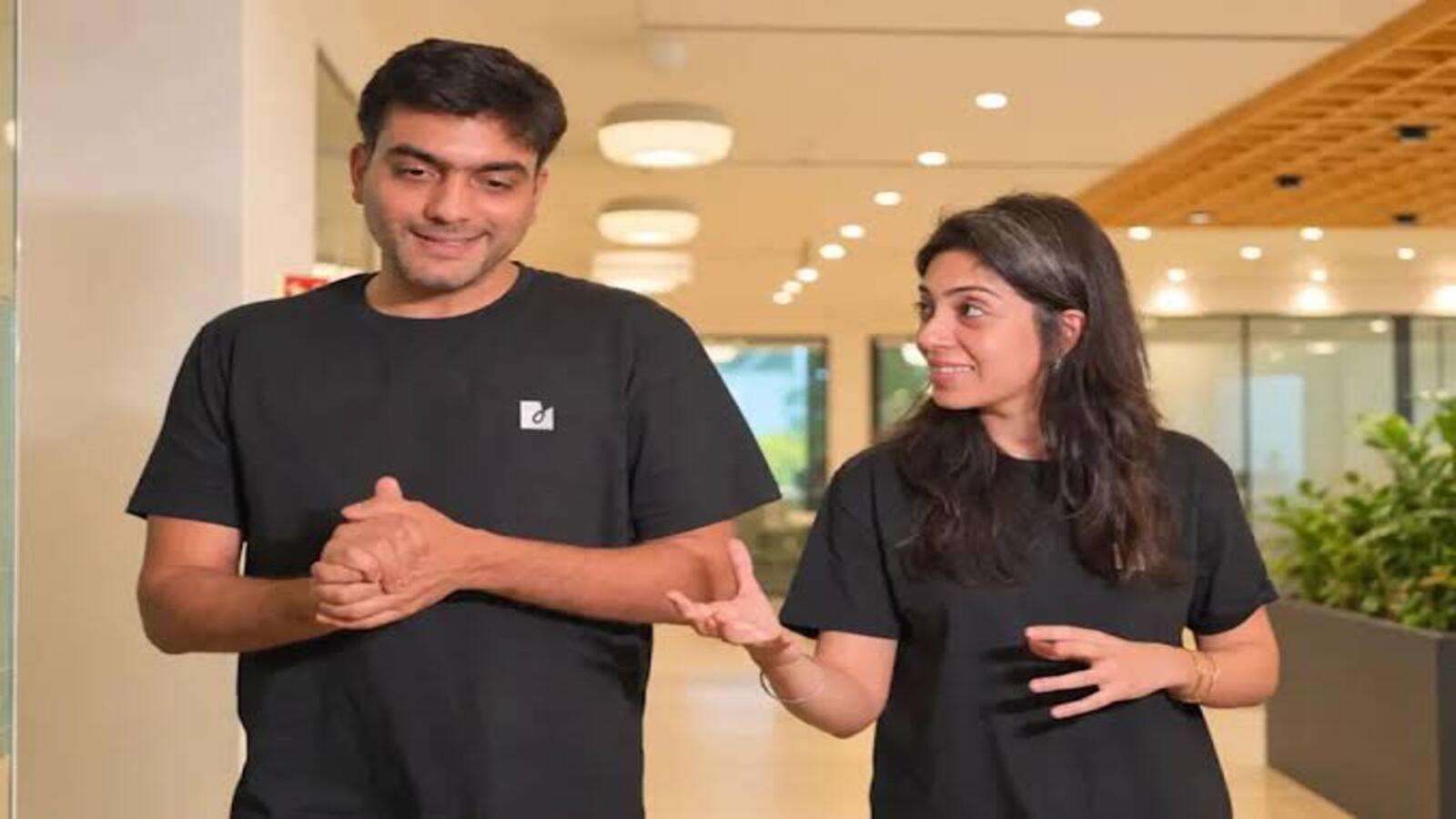
The nearly five-year-old, pre-revenue company has secured design wins with US defence technology firm General Atomics and India's Kaynes Semicon.Indian semiconductor startup Bharat Semi has raised $24 million in a seed funding round as it looks to develop AI-enabled image sensors and expand its presence in international markets, according to TechCrunch.The funding round was led by Info Edge Group, South Park Commons and Indus Bridge Ventures, with participation from Valour Capital, Micromax, Gaingels and individual investors, the company said.Founded in late 2021 by Vrinda Kapoor and Vinayak Dalmia, Bharat Semi is developing programmable image sensors that integrate image capture, processing and artificial intelligence capabilities into a single chip.
The approach is designed to reduce dependence on separate processing components, potentially lowering system costs and enabling devices to analyse visual information closer to where it is captured.The nearly five-year-old, pre-revenue company has secured design wins with US defence technology firm General Atomics and India's Kaynes Semicon.
Its sensors are still under development, with the startup targeting initial commercial production in 2027.Bringing AI processing closer to the sensorConventional imaging systems typically rely on separate components for image capture, image signal processing and computing.
Bharat Semi aims to bring these functions together, allowing devices to process visual information without routinely transferring data to separate processors.According to co-founder Vrinda Kapoor, this architecture could reduce system costs by at least 70 per cent compared with conventional configurations involving separate image sensors, image signal processors and system-on-chip components.The company's technology is aimed at applications where real-time processing, power efficiency and cost are critical.
These include smart home devices, industrial automation, surveillance systems and aerospace applications.For instance, an air conditioner equipped with such sensors could identify whether a room is occupied and adjust its operation accordingly.
Drones could also process visual information locally without requiring expensive computing hardware elsewhere in the system.Development roadmap and global expansionBharat Semi's first-generation sensors are already in the prototyping stage.
Its second-generation products, which will incorporate more advanced AI capabilities, are expected to reach the prototype stage by mid-2027.
The company aims to begin placing these products with customers by the end of that year.The fresh capital will be used to strengthen its engineering workforce, complete product development and accelerate commercialisation.Bharat Semi currently employs around 75 people across India and the US, including 10-12 employees in its American operations.
The company plans to expand its US workforce to approximately 20 employees by mid-2027 and has also started hiring engineers in Europe.Its US presence includes engineering and business development operations in Santa Clara, California, as it looks to build relationships with international customers.The startup's ambitions come amid growing interest in specialised semiconductor technologies as artificial intelligence moves beyond cloud-based applications into physical devices, machines and autonomous systems.Fabless model remains separate from fabrication plansBharat Semi is also pursuing a separate semiconductor fabrication initiative announced in 2024, involving a technology partnership with the US Space Force.
The project remains under development, with the company working to identify domestic partners to establish and operate the facility.However, the proposed fabrication project is separate from its image-sensor business.
Bharat Semi intends to continue operating as a fabless semiconductor company for this business, outsourcing manufacturing while concentrating on chip design and software development.The latest $24 million funding round will not be directed towards the proposed fabrication facility.The company is positioning its sensor technology as a potential building block for physical AI applications, where machines need to interpret their surroundings and respond in real time.
Its longer-term ambition is to develop a globally competitive semiconductor design business originating in India.
DISCLAIMER: This content is automatically collected from Enterprise AIfor informational purposes.
To read the original article, please click here

IAI AC | IAIAC.IN| Institute of Artificial Intelligence Applications Centre