
From cart to checkout: How Meesho is leveraging AI to transform online shopping in India
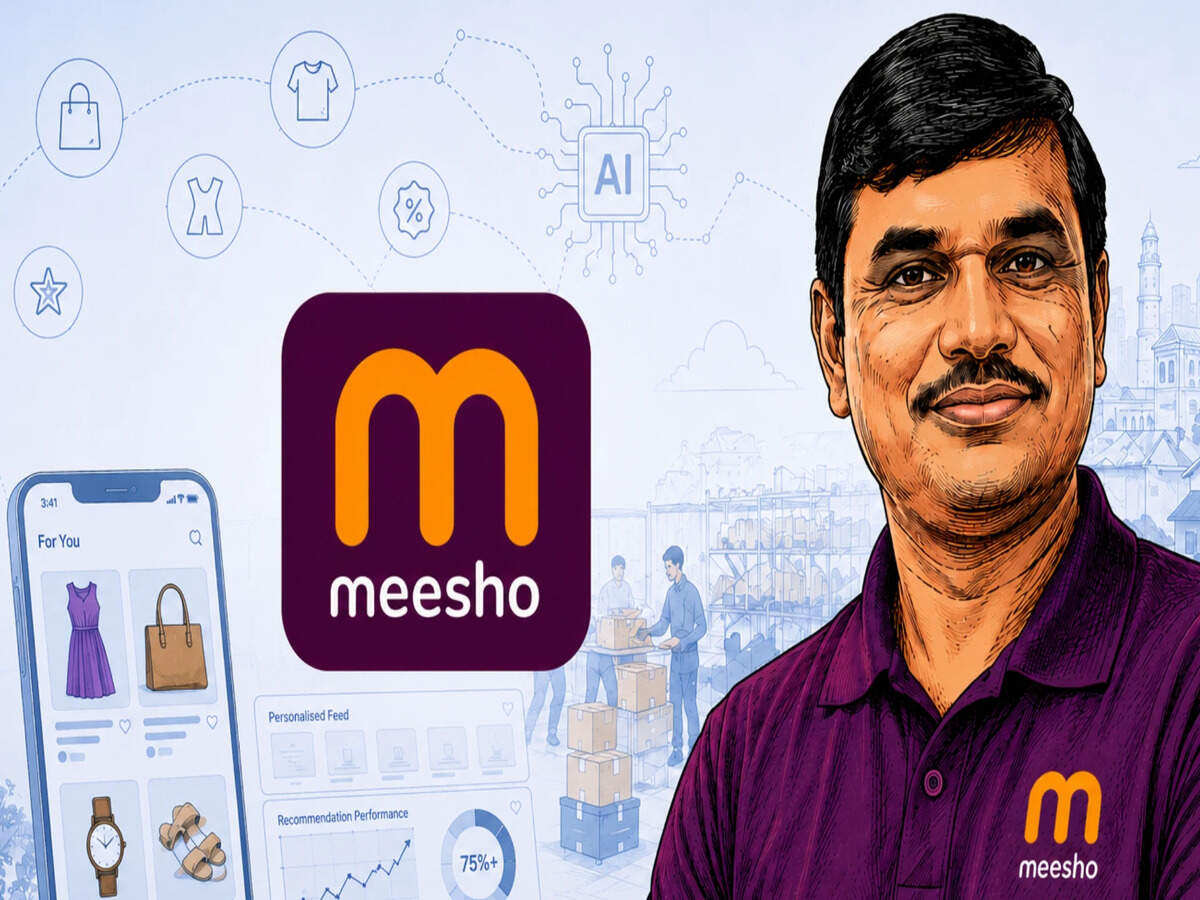
Kiran Kumar Platform Engineering and Agentic AI MeeshoMost e-commerce platforms, for a long time, relied on a simple and formulaic assumption that consumers knew what they wanted.
Users typed specific searches, weighed their choices, and bought what they were looking for.
But as the internet spread its reach beyond big cities, Meesho noticed a peculiar pattern– that a huge chunk of these users from these smaller cities were not searching with clear intent at all. “They were just browsing, exploring, stumbling on new things, and deciding what to buy in the moment.
It looked a lot like the way people shop at local markets: Wandering, looking around, letting curiosity guide them, and sometimes buying something they hadn’t even considered at the start,” said Kiran Kumar, Platform Engineering & Agentic AI, Meesho, on how that behavioural shift forced the company to rethink the architecture of commerce itself.“At Meesho, we have a culture called LODs (Listen or Die).
It's a reminder that the best technology decisions start with understanding people.
We regularly spend time with first-time internet users and emerging sellers to understand what's holding them back, whether that's trust, affordability, discoverability, or logistics.
Those learnings have fundamentally shaped how we've built our AI systems,” Kumar added.
At present, AI powers more than 75 per cent of orders on Meesho and processes over 6 billion behavioural signals every day. “Yet the most important thing we've learnt is that commerce in India isn't just about transactions; it's about understanding context, intent, and local realities at scale.
The future belongs to platforms that can do that seamlessly, making digital commerce feel more natural, personalised, and accessible for everyone,” he pointed out.
Embedding a predictive systemInstead of waiting for someone to type exactly what they wanted, Meesho focused on building AI systems that could understand what users wanted—even when the users hadn’t figured it out themselves.
These systems started picking up on all sorts of signals: How sensitive people were to price, what types of items caught their eye, which regions they lived in, how they bounced around during a session, and even how fast they clicked or scrolled.At the heart of all this sits PRISM, Meesho’s own AI engine.
It analyses billions of user actions, continuously learns from behavioural patterns, and delivers tailored recommendations.
What began as a simple recommendation system ended up powering the entire marketplace. “As the platform grew to cover so many types of users, sellers, categories, languages, and places, every decision—big or small—had to become fluid and responsive,” explained Kiran. “When you’ve got a marketplace this diverse and fast-moving, AI doesn’t just help—it holds the whole thing together.”Behind this experience sits a large-scale AI infrastructure processing billions of behavioural events every day, tracking everything from idle scrolling to completed purchases, cancelled orders, and delivery interactions.
PRISM alone manages over 100 different ranking models, each loaded with hundreds of millions of parameters, and generates trillions of decisions in milliseconds.The complexity of diversityShopping behaviour isn’t the same everywhere.
Preferences, engagement, and even what counts as “intent” shift depending on a user’s city, language, or budget.
Metro shoppers look for one thing, while newer internet users in smaller towns might shop in totally different ways.
Meesho had to build models that could learn what each region wanted—right down to the language they preferred and the way they browsed.This approach shows up in Meesho’s numbers.
According to Meesho, over the past year, PRISM boosted conversion rates by almost 15 per cent and reduced the time taken for a new product to gain traction by 27 per cent.
New sellers get noticed faster, and fresh inventory finds buyers without waiting forever.AI’s role now extends across other parts of the platform, too.
Customer support powered by GenAI resolves a significant share of queries without requiring human intervention.
Behind the scenes, trust systems watch for risky transactions, monitor product quality, improve delivery reliability, and flag anything that threatens the platform’s integrity—all in near real time.“As these systems matured, another shift began to take place.
At first, the AI models handled separate tasks—maybe just recommendations or catalogue sorting, maybe fighting fraud.
But as these systems began to connect and learn from one another, they became increasingly intelligent and context-aware.
The platform didn’t just know what users were doing; it started to understand sellers, products, and how the whole system moved together,” Kiran added.
This change does not stop with Meesho.
As more people in every corner of India get comfortable shopping online, the old way of searching for products feels less important.
The future of e-commerce here is looking less like a search box and more like an endless, personalised stream of possibilities—an AI-powered feed that doubles as a shopfront.
ସ୍ପଷ୍ଟୀକରଣ: ଏହି ବିଷୟବସ୍ତୁଟି ସୂଚନାମୂଳକ ଉଦ୍ଦେଶ୍ୟରେ Enterprise AI ରୁ ସ୍ୱୟଂଚାଳିତ ଭାବରେ ସଂଗ୍ରହ କରାଯାଇଛି। ମୂଳ ଲେଖାଟି ପଢ଼ିବା ପାଇଁ, ଦୟାକରି ଏଠାରେ ଦେଖନ୍ତୁ।

IAIAC.IN is India's first Safe, Trusted & Reliable AI Applications Center, dedicated to championing Responsible AI practices throughout society.