
Palo Alto Networks CEO Arora sees $1 trillion cybersecurity debt as AI raises threat urgency
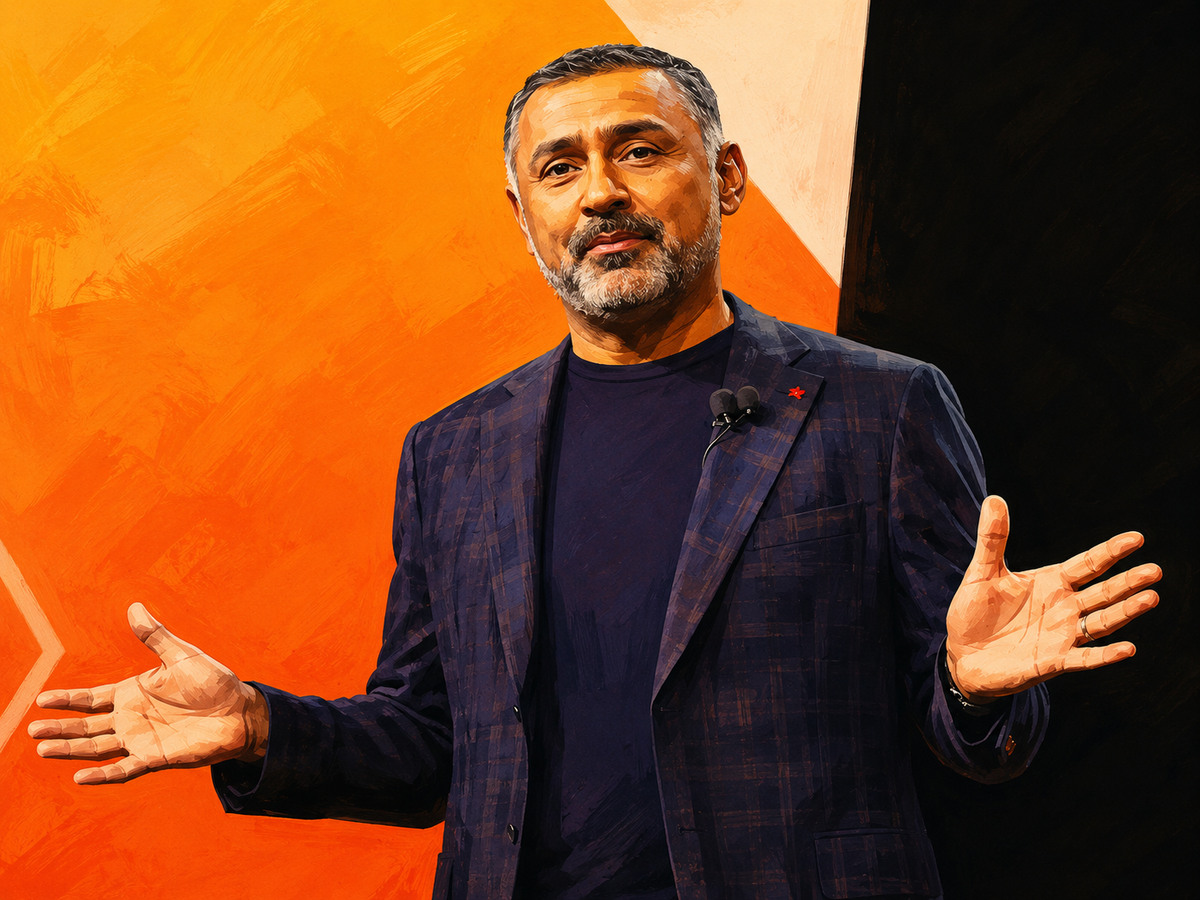
Nikesh AroraPalo Alto Networks CEO Nikesh Arora said AI is forcing companies to rethink cybersecurity infrastructure built before the technology could operate at machine speed.“Nothing that was deployed seven or 10 years ago is prepared or ready to handle AI at machine speed.
You have to rethink your cyber architecture,” Arora told CNBC.Arora said there is approximately $1 trillion of global cybersecurity debt that needs to be modernised to defend against automated threats.“You cannot deploy AI successfully if you don’t get cybersecurity right,” he asserted.The company’s earnings report showed that the urgency around cybersecurity is translating into business.
Palo Alto Networks beat fiscal fourth-quarter estimates and issued a strong outlook for its new fiscal year.Arora said the opportunity is expanding as AI enables attackers to identify and exploit vulnerabilities more quickly, requiring companies to modernise security systems not designed for automated threats.Arora's stance marks a shift from concerns earlier this year that increasingly capable AI models could disrupt traditional cybersecurity software.“Nine months ago, … we were guilty and convicted of near death because AI was going to eat our lunch, breakfast, and dinner,” Arora told Cramer. “It seems like that’s not the case.
It seems like we’re going to have to have the feast with them.”Mythos raises urgency around cyber defenceArora pointed to Anthropic’s Mythos model as a turning point, saying its launch prompted companies to take cybersecurity more seriously.“I’ve been trying for eight years to tell customers they’re not ready, and [Anthropic CEO Dario Amodei] did it in one event, just by launching Mythos,” Arora said on CNBC.Palo Alto Networks has held discussions with roughly 2,000 companies about its Frontier AI Critical Defence Program, which uses advanced AI models to test customers’ defences, identify vulnerabilities and help modernise their cybersecurity infrastructure.Arora cautioned that the spending opportunity would not materialise immediately.“Not everything’s going to happen next quarter,” he said. “But all I say is this changes the long-term growth rate and duration of cybersecurity, not just for Palo Alto, but as an industry.”
DISCLAIMER: This content is automatically collected from Enterprise AIfor informational purposes.
To read the original article, please click here

IAI AC | IAIAC.IN| Institute of Artificial Intelligence Applications Centre