
World should accept some bad things to reap AI’s benefits, says Sam Altman
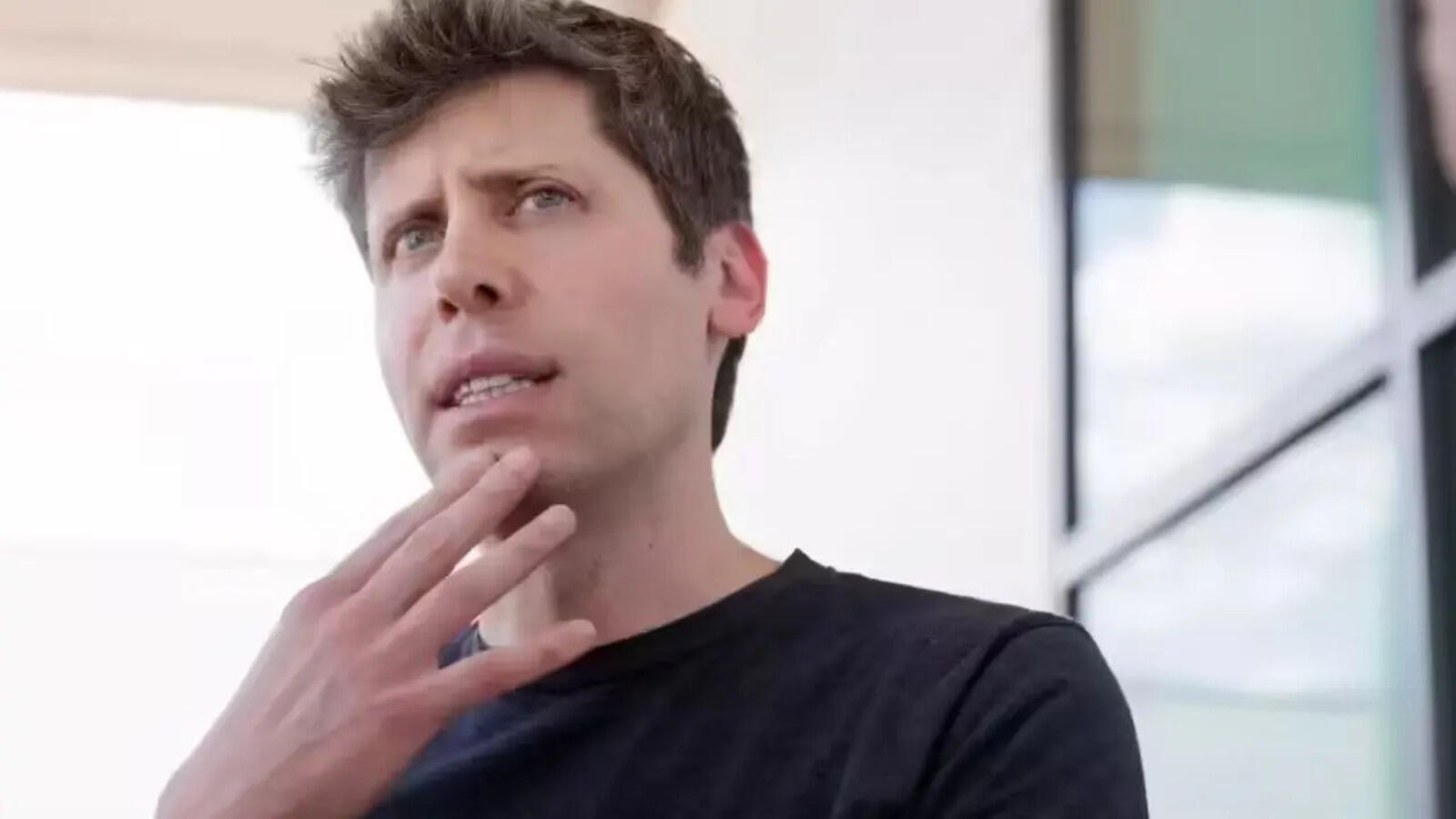
“I wouldn’t accept a trade-off that says we need to make sure there’s no major harm at all, because there’s no way to guarantee that,” he added.
OpenAI CEO Sam Altman, speaking to POLITICO’s Brendan Bordelon for the first edition of Decoded, said the world may have to accept some negative consequences to fully realise the benefits of artificial intelligence (AI).“We have always been big believers and I used to say this was the biggest difference that we should accept some trade-offs for the benefits of this technology and for individual agencies,” he said.In terms of regulatory standards for AI, he said that the regulatory standards can be appropriate for some period of time, until society figures out how to build resilience. “I wouldn’t accept a trade-off that says we need to make sure there’s no major harm at all, because there’s no way to guarantee that,” he added.
In the same conversation, Altman acknowledged the potential risks associated with AI and said accelerationists should not be “allergic” to some guardrails aimed at preventing serious or catastrophic harm.“But when it comes to the potential for a serious or catastrophic loss, this is where I would say to the accelerationists: don’t be allergic to accepting some safeguards.
There’s a difference between accepting reasonable safeguards and accepting restrictions that could really constrain liberty and agency,” the OpenAI chief said.Restrictions not favouredAsked whether OpenAI supports any specific AI policies at the federal or state level, particularly around testing and third-party evaluations, Altman said the company does not favour restrictions that could unnecessarily slow AI development.“We do not want restrictions on testing.
We do not want to slow down people unnecessarily.
But the point here is really to focus on potential catastrophic risks,” Altman said.He added that the same testing requirements should not apply to every AI system, arguing that regulatory scrutiny should primarily focus on frontier models and the most serious risks they may pose.“I don’t think you should put every AI system through the same kind of testing.
For systems behind the frontier, I accept that.
I would rather have the focus on frontier models and the most serious risks,” he said.
DISCLAIMER: This content is automatically collected from Enterprise AIfor informational purposes.
To read the original article, please click here

IAI AC | IAIAC.IN| Institute of Artificial Intelligence Applications Centre