
India needs AI guardrails for safety and sovereign small AI models: HCL co-founder Ajai Chowdhry
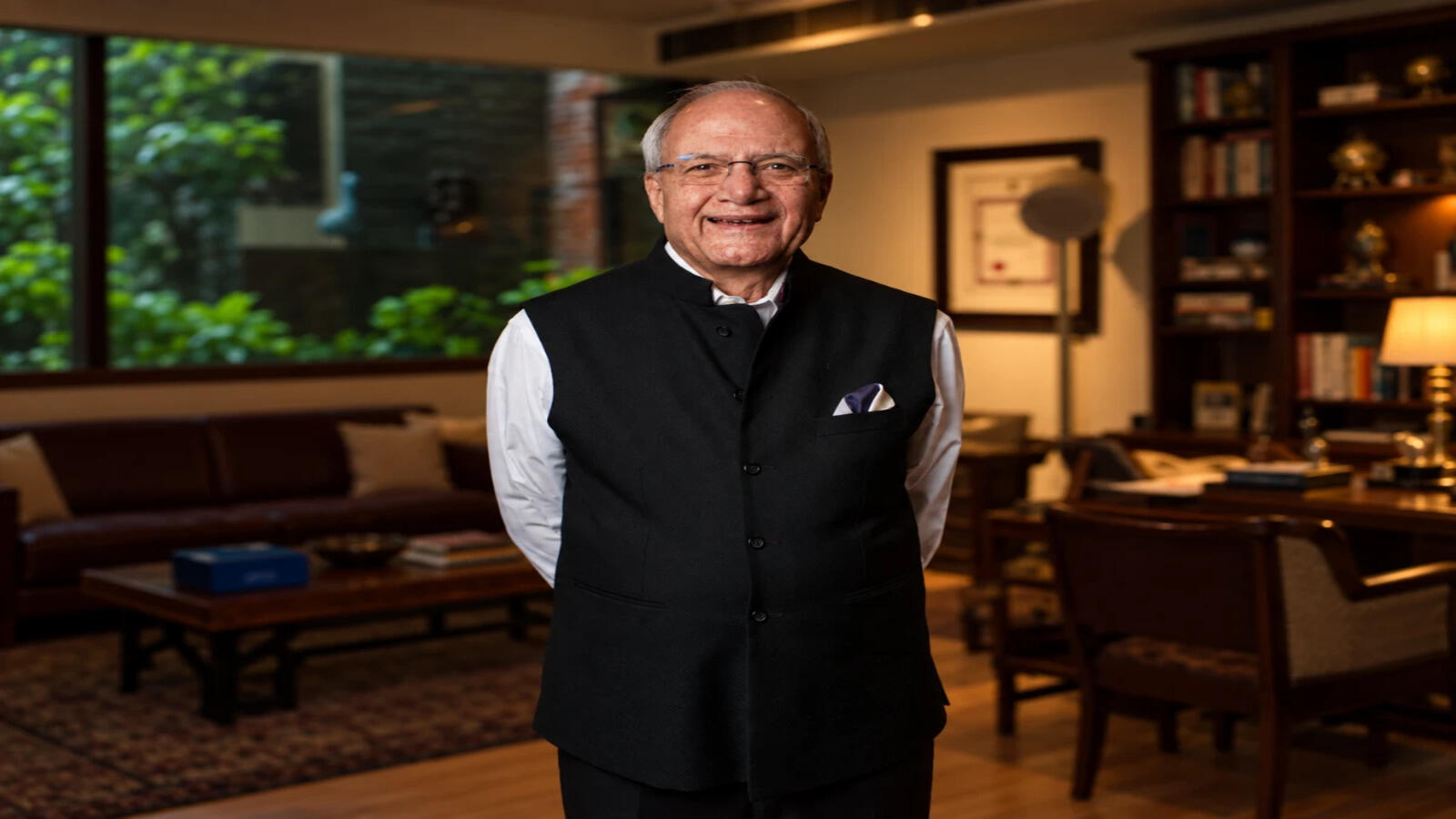
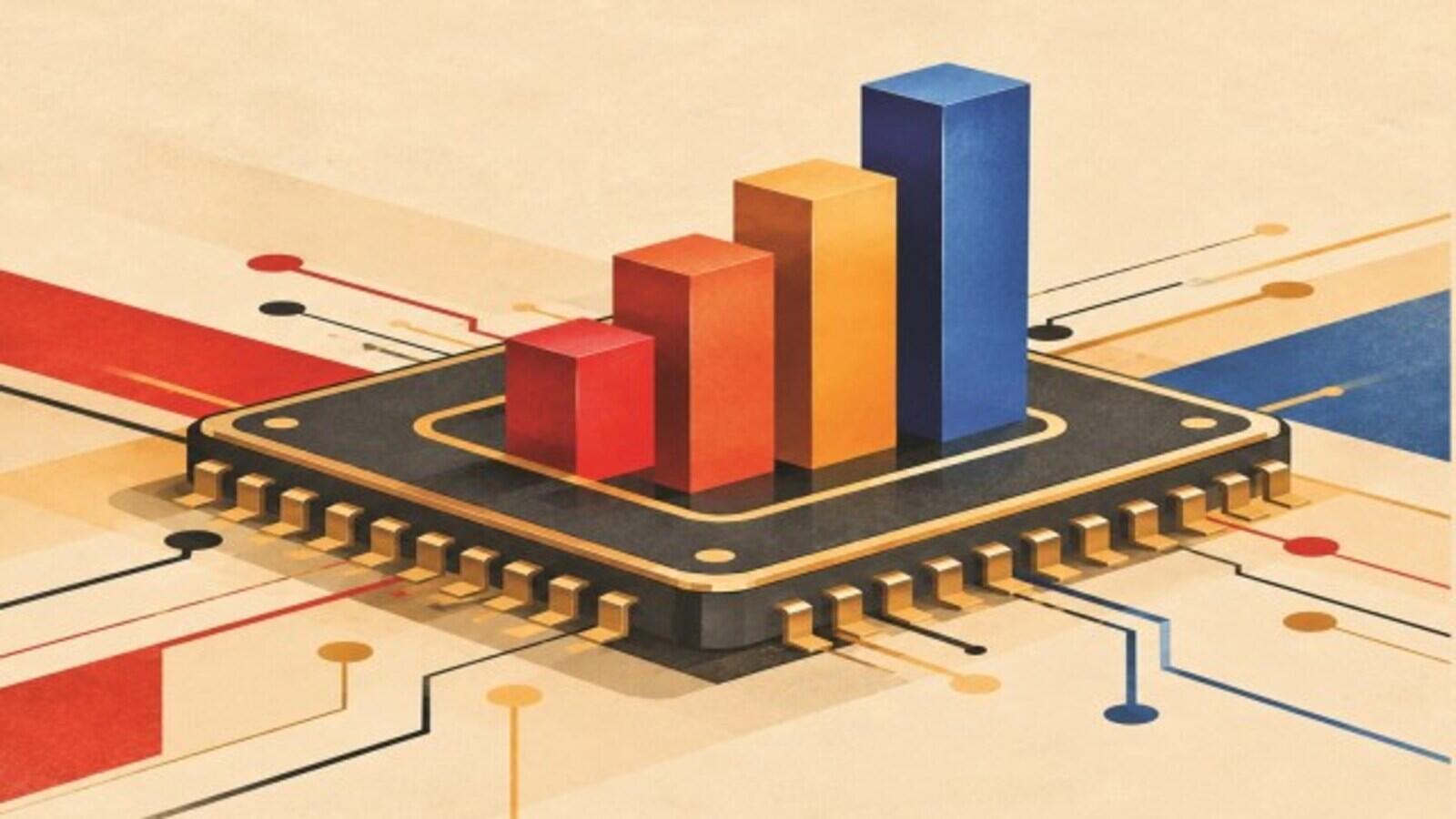
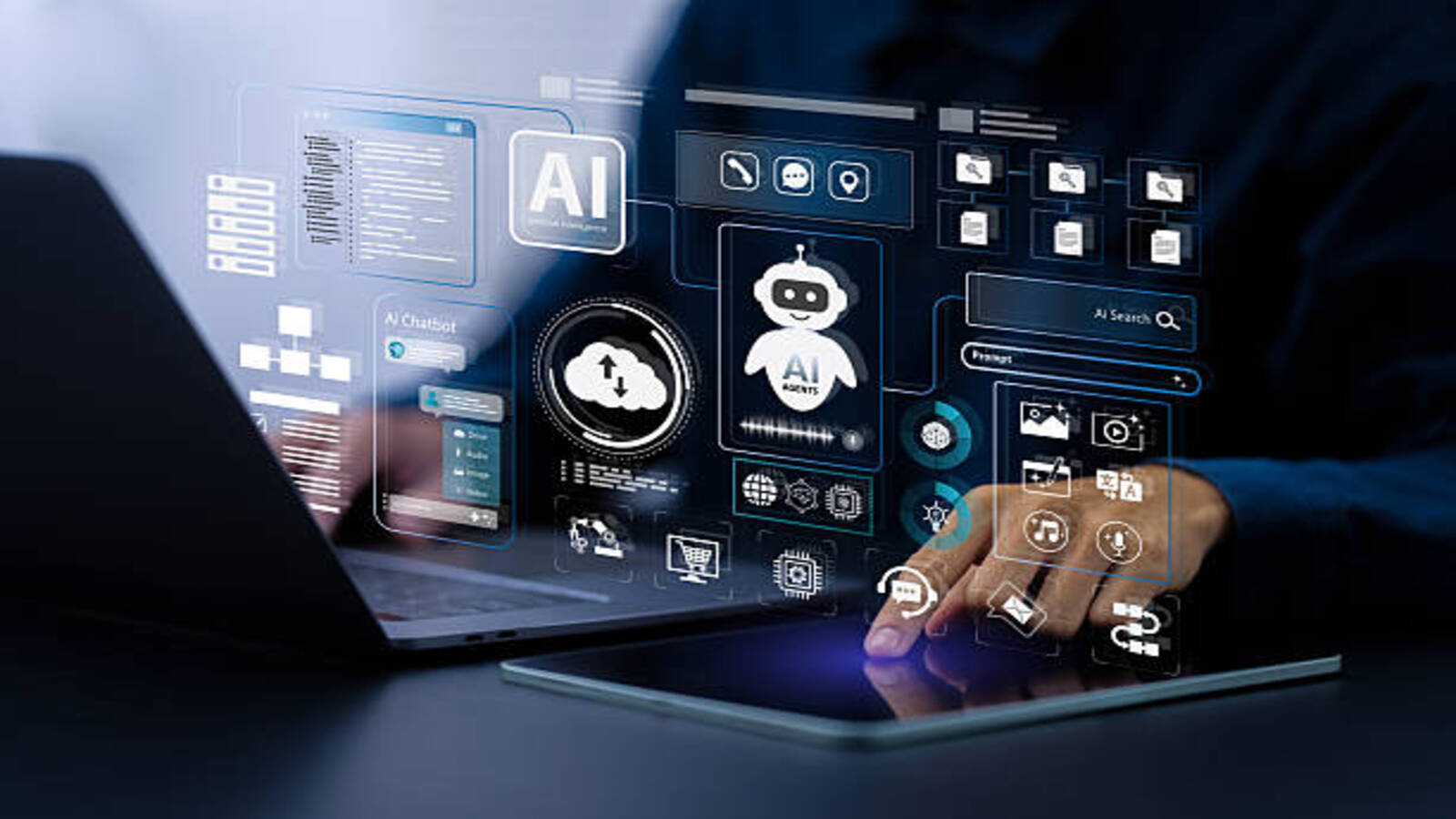
A representative image.As concerns over the growing power and potential risks of artificial intelligence intensify globally, India needs policy intervention and clearly defined guardrails to ensure the safe development and deployment of AI systems, said Ajai Chowdhry, Co-founder of HCL and Founder of EPIC Foundation, in an interaction with ETEnterpriseAI.While India’s AI ecosystem is still developing compared with more mature Western markets, Chowdhry stressed the need to build safety mechanisms into AI systems early to prevent potential risks as adoption accelerates.“I believe the IndiaAI Mission and the Ministry of Electronics and Information Technology (MeitY) need to take note of these concerns and develop a comprehensive strategy for AI safety,” Chowdhry added.Recently, US-based AI tech giants, including Anthropic, OpenAI and xAI, have called for pacing the development of AI, given high risk associated with it and increasing incidences of AI agents embracing ‘deceptive behaviour’ during testing.The road to AI self-relianceDespite the call to slow down the development of AI, the global race is intensifying ‘to reach there first’, with the US and China dominating the fray of technological leadership.
Back home, India is still at the nascent stage in this technology, which is growing at an unprecedented blink-and-you-miss speed, with questions also being raised by tech sovereignty.On this, the HCL co-founder said that when we talk about technological sovereignty, we cannot achieve it if we are entirely dependent on global LLMs.“As far as applications and solutions are concerned, our focus should also be on small AI.
We should not simply focus on LLMs in the same way as the Western world.
We do not need to copy the Western world; we need our own strategy,” he added.He also stressed the strategy to go to sovereign, small AI also because energy demand could also dramatically shift as AI moves towards the edge and onto desktops.There will still be certain areas where GPUs are needed for training purposes.
But for actually running applications, you could potentially run them on a laptop.Dr Chowdhary also mentioned that the Indian AI Research Organisation (IAIRO) is working in the same direction, with a greater focus on developing small AI models.“Unlike the global focus on large LLMs, the institute is working on developing India’s own ‘small AI’.
The aim is to make AI significantly cheaper while reducing dependence on large GPUs and data centres.
Small AI models can run locally on desktops and laptops, including new-generation AI PCs being developed by AMD, Intel and Nvidia,” he added.Through this strategy, the research institute aims not only to bring Indian AI researchers working abroad back to the country but also, over time, to reduce dependence on companies such as Nvidia for high-end AI computing infrastructure.Earlier, Union Minister Ashwini Vaishnaw has also said that the future of AI will be shaped by smaller, efficient models rather than extremely large systems.Revenue race over AI sovereigntySince the launch of the IndiaAI Mission, the emphasis has been on strengthening the broader AI value chain in India.However, Tracxn data reflects this application-heavy ecosystem.
India has around 1,569 application-layer AI companies, accounting for nearly 92 per cent of the ecosystem, compared with just 31 focused on foundational models, highlighting the country’s relatively limited presence in core model development.Even among startups working on core AI technologies, voice has emerged as a major use case–with about 88 voice AI startups, according to Tracxn– raising questions over whether companies are pursuing sufficiently differentiated innovation or gravitating towards areas with clearer and more immediate commercial opportunities.Chowdhary said there are a growing number of voice AI startups that are developing products targeting similar use cases to generate revenue in a shorter timeline.“There are definitely many Voice AI products that have emerged.
Some are very generic, while others offer very specific benefits,” he said.“What is happening is that everybody seems to be crowding into the Voice AI space.
I think a lot of these companies are trying to enter the BPO market because they see a very large opportunity there.
They believe that many functions currently performed by agents could potentially be taken over by the voice products they have created,” he added.The road ahead and changing AI investment patternChowdhary who is also Chairman of National Quantum Mission (NQM) noted that there is now a clear direction towards hybrid data centres.As per him, Classical GPU-based and quantum computers could operate together in a hybrid architecture, an approach increasingly being explored globally.“India could see such hybrid systems emerge within the next one to two years, potentially reducing power demand as quantum computing has different power and cooling requirements compared with conventional GPU-based infrastructure,” he added.As the AI ecosystem evolves both within India and globally, investment patterns are also likely to shift.He said investors are increasingly looking at AI startups. “Until now, investment in AI startups was relatively low, but I am now seeing a clear trend towards greater investment in these companies,” he said.Beyond software-focused AI startups, investment is also flowing into edge AI hardware. “There are several companies in India working on developing edge AI chips, and some of them are already receiving venture capital funding.
So, both hardware and software will receive VC funding,” he added.
DISCLAIMER: This content is automatically collected from Enterprise AIfor informational purposes.
To read the original article, please click here
IAI AC | IAIAC.IN| Institute of Artificial Intelligence Applications Centre