
Meta’s Sandhya Devanathan joins OpenAI as VP for Southeast Asia, Australia
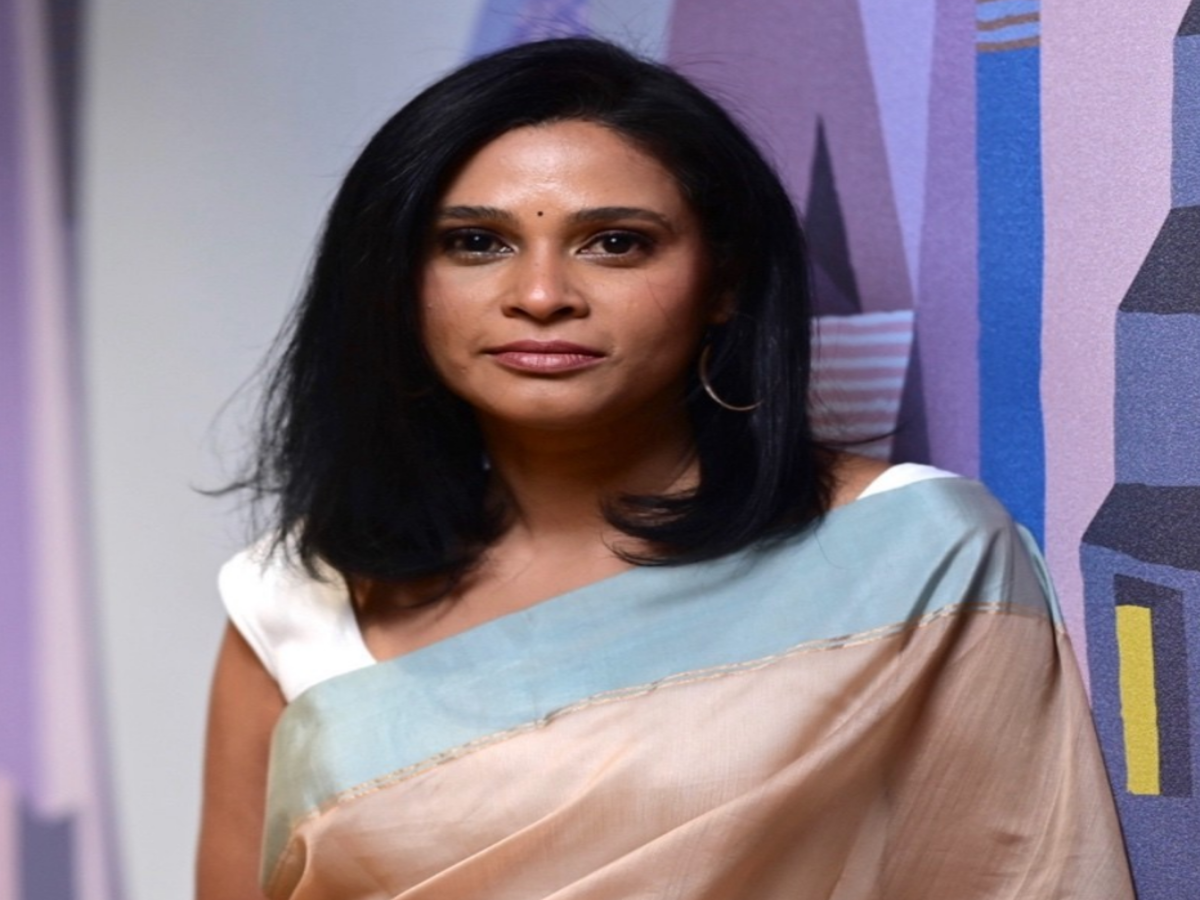
Sandhya DevanathanSandhya Devanathan, Vice-President and Head of India and Southeast Asia at Meta, is leaving the company after more than 10 years to join OpenAI as Vice-President for Southeast Asia and Australia, according to ETTech.Devanathan described her departure from Meta as “bittersweet” in a post on LinkedIn.In her new role, Devanathan will be based in Singapore and report to Kiran Mani, managing director for Asia-Pacific (APAC).
She will be OpenAI’s most senior leader across Southeast Asia and Australia, overseeing consumer growth, enterprise adoption and partnerships, regulatory engagement and operations in the region.Devanathan’s decade at MetaDevanathan joined Meta in 2016, when the company’s Singapore office had around 300 employees.
During her tenure, she worked across e-commerce and gaming in the Asia-Pacific region and led teams spanning India and Southeast Asia.Reflecting on her time at Meta, Devanathan highlighted the adoption of WhatsApp for government citizen services in India, the growth of small businesses launching storefronts across Vietnam, Indonesia and Thailand, and startups scaling into unicorns in Singapore, Malaysia and the Philippines.“I shared with my teams today that I am extraordinarily proud of how they've shown up every day, doing the best work they can in an industry that is rapidly evolving.
I’m proud of the work we’ve done together,” she said in her post.OpenAI expands APAC presenceDevanathan’s appointment comes as OpenAI continues to expand its presence across Asia-Pacific.Over the past two years, the company has established local offices in Singapore, Tokyo, Seoul, Sydney and Delhi, while also strengthening its regional leadership team.The company recently appointed Kiran Mani as managing director for APAC and Prabhjeet Singh to lead its India business.Devanathan’s new role will place her at the centre of OpenAI’s efforts to expand consumer and enterprise adoption, partnerships and regulatory engagement across Southeast Asia and Australia.
DISCLAIMER: This content is automatically collected from Enterprise AIfor informational purposes.
To read the original article, please click here

IAI AC | IAIAC.IN| Institute of Artificial Intelligence Applications Centre