
Sarvam AI Co-founder Vivek Raghavan named among TIME’s top 100 AI leaders
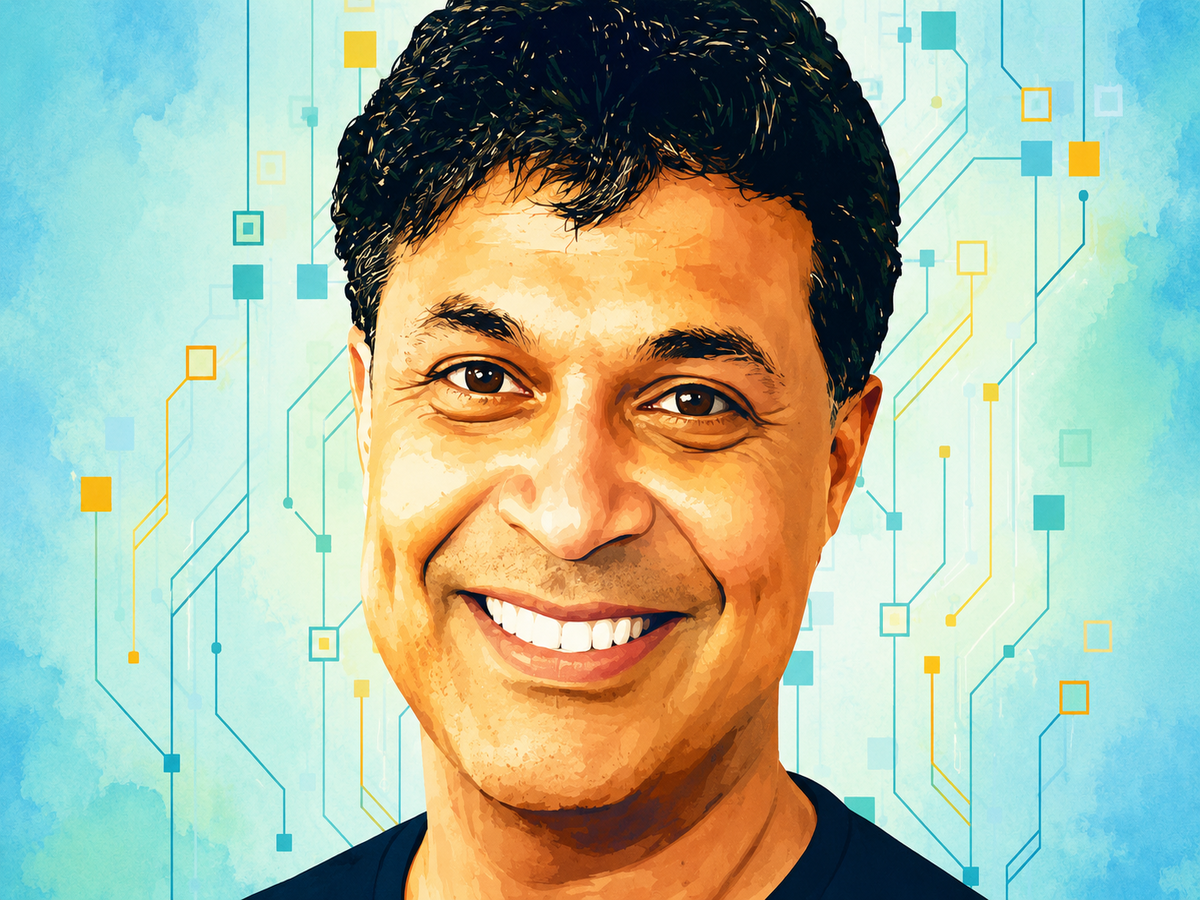
This recognition reflects his work over the decades building the rails that make technology more useful and accessible to people (sic),” the official handle of Sarvam said on X.
Success trailRaghavan was involved in building Aadhaar, a biometric identification system that consists of a 12-digit unique identity number which residents of India can obtain voluntarily based on their place of residence, biometric and demographic data.Raghavan launched Sarvam AI with co-founder Pratyush Kumar in 2023, aiming to create multilingual Indian AI models that could compete with global AI players in the West.In February, Sarvam launched Sarvam Vision, its frontier vision language model.
The company said the model can scan and extract text from documents in 22 Indian languages and English with a higher word accuracy rate than Gemini and ChatGPT.In March, the homegrown AI startup released Sarvam 30B and 105B, two open-source, open-weight models capable of advanced reasoning, coding, mathematics and other high-level tasks.
The models could enable Indian developers and companies to build their own applications.In August, Nvidia became a strategic investor in Sarvam AI, joining a roughly $75 million Series B funding round that values the company at about $1.5 billion.Importance of AI sovereigntyEarlier, Raghavan has been vocal about the importance of AI sovereignty in the subcontinent and of building a homegrown, Indian-language AI stack rather than relying on foreign technology companies.He has said India is a large market for several US technology companies, some of which provide their services for free.“But the question is, what is really free?” Raghavan said in an interview with Indian news outlet Bharatvaarta.He has described Indians as “exporting our data and importing intelligence”, comparing it with India exporting cotton and importing cloth a century ago.
DISCLAIMER: This content is automatically collected from Enterprise AIfor informational purposes.
To read the original article, please click here
IAI AC | IAIAC.IN| Institute of Artificial Intelligence Applications Centre