
OpenAI, Anthropic, Google and SpaceXAI sued over alleged pact to slow AI development

A representative picture.Anthropic, OpenAI, Google and SpaceXAI have been sued in the US over allegations that they illegally agreed to coordinate efforts to slow artificial intelligence development, potentially reducing the value consumers receive from paid AI subscriptions, according to reports by multiple news agencies.The lawsuit, filed Friday in the US District Court for the Northern District of California, alleges that the companies violated antitrust laws by agreeing to coordinate the pace of AI development.
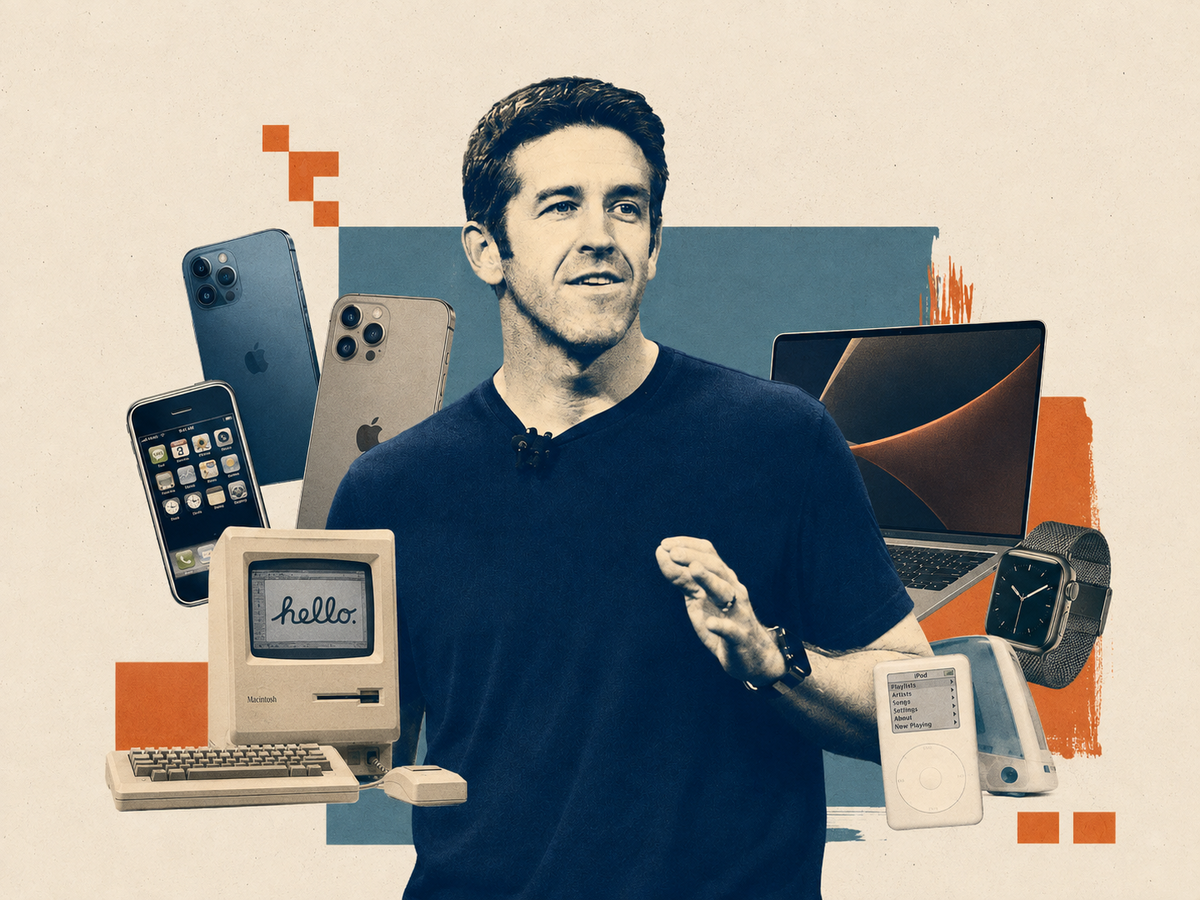
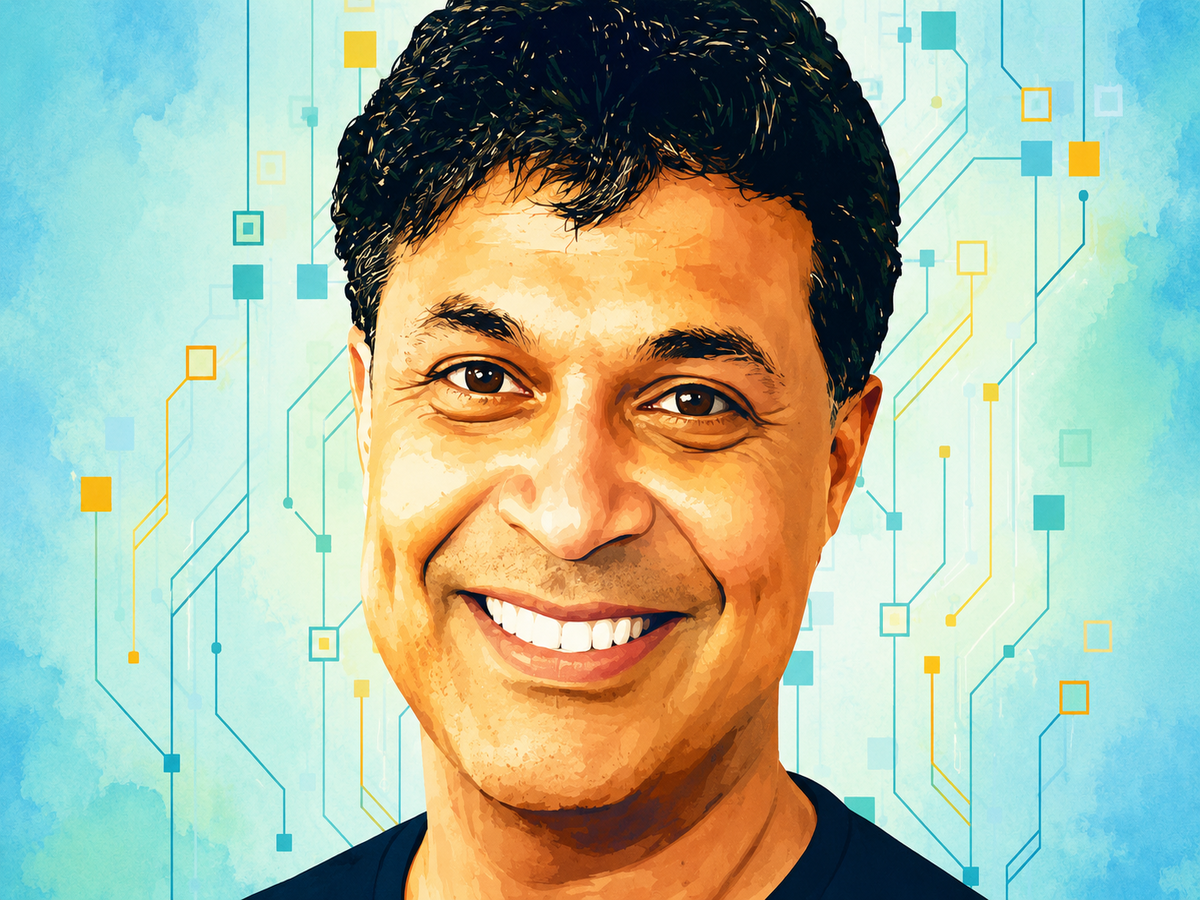
The plaintiffs argue that an agreement among competitors to slow progress would have an anti-competitive effect on consumers.The case centres on events on September 12, when Anthropic CEO Dario Amodei published an essay calling for industry-wide cooperation to decelerate AI advances in favour of stronger safety measures.The lawsuit alleges that OpenAI CEO Sam Altman, SpaceXAI CEO Elon Musk and Google DeepMind co-founder and chair Demis Hassabis publicly responded to Amodei’s proposals in agreement on the same day.The plaintiffs argue that an agreement among major AI competitors that their progress “should be slower than competition would otherwise produce has an anticompetitive effect on consumers”.Lawyers representing four named plaintiffs who subscribe to ChatGPT, Claude, Grok or Gemini are seeking to bring the case on behalf of a proposed nationwide class of other paid subscribers to the services.“AI will quickly spin out of human control and could kill us all if we allow AI safety and protocol … to be controlled by private self-serving agreements between the world’s most powerful for profit technology companies,” Nick Rowley, lead attorney for the plaintiffs, said.Representatives for Anthropic, OpenAI, Google and SpaceXAI did not immediately respond to requests for comment on Saturday, according to the reports.Amodei had acknowledged potential antitrust challenges in his essay proposing a slowdown.
He wrote that it would be helpful for the US government to mediate “or at least enable” discussions between AI labs.The government would not necessarily have to participate in those discussions, he wrote, but would need to “issue a narrow waiver for certain kinds of safety conversations”.Altman subsequently said on social media that OpenAI welcomed the idea of a “federal framework that sets consistent safety requirements”, while adding that “we do not believe we need to wait for an anti-trust exemption or legislation to begin the work of providing this confidence”.Trump rejects AI slowdown ideaThe discussions about slowing AI development have come amid concerns about AI systems evading human control.
AI industry leaders have also previously discussed developing shared standards or coordinating safety efforts.The plaintiffs said they were not opposed to the companies asking Congress, the White House or another government agency to develop AI regulations, nor were they opposed to the companies seeking an exemption from antitrust rules.US President Donald Trump has rejected calls for regulation on social media, describing efforts to limit the technology as part of a “conspiracy”.
He has also questioned why AI industry leaders would seek regulations that, if “strongly implemented, will drive them into oblivion and bankruptcy”.Senator Josh Hawley has also opposed granting AI companies an antitrust exemption to collaborate.
In a recent Senate hearing, Hawley said “there is no world” in which he would agree to give “the most powerful companies in the history of the world” such an exemption, arguing that the companies could collude and stifle competition.
DISCLAIMER: This content is automatically collected from Enterprise AIfor informational purposes.
To read the original article, please click here

IAI AC | IAIAC.IN| Institute of Artificial Intelligence Applications Centre