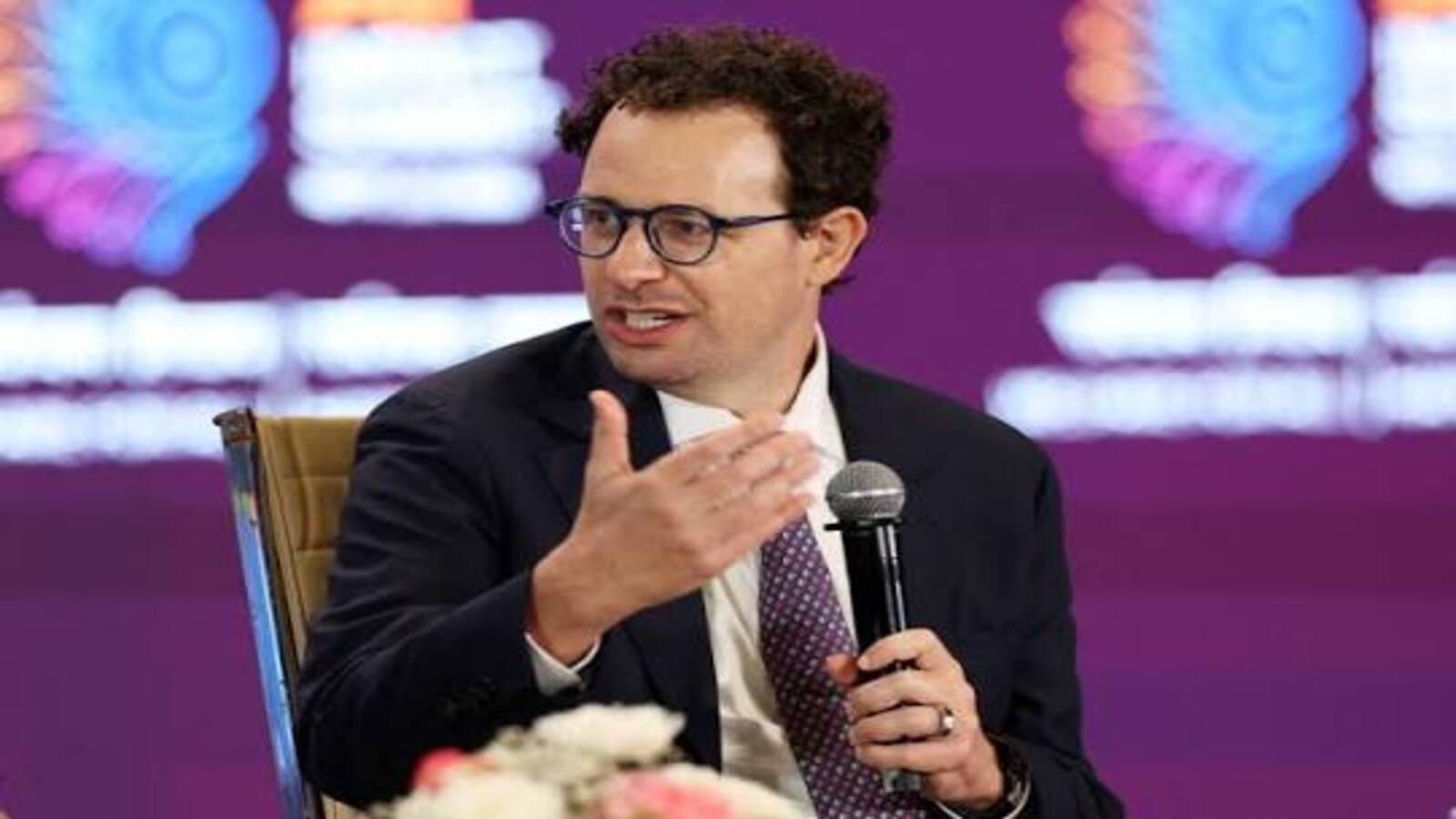

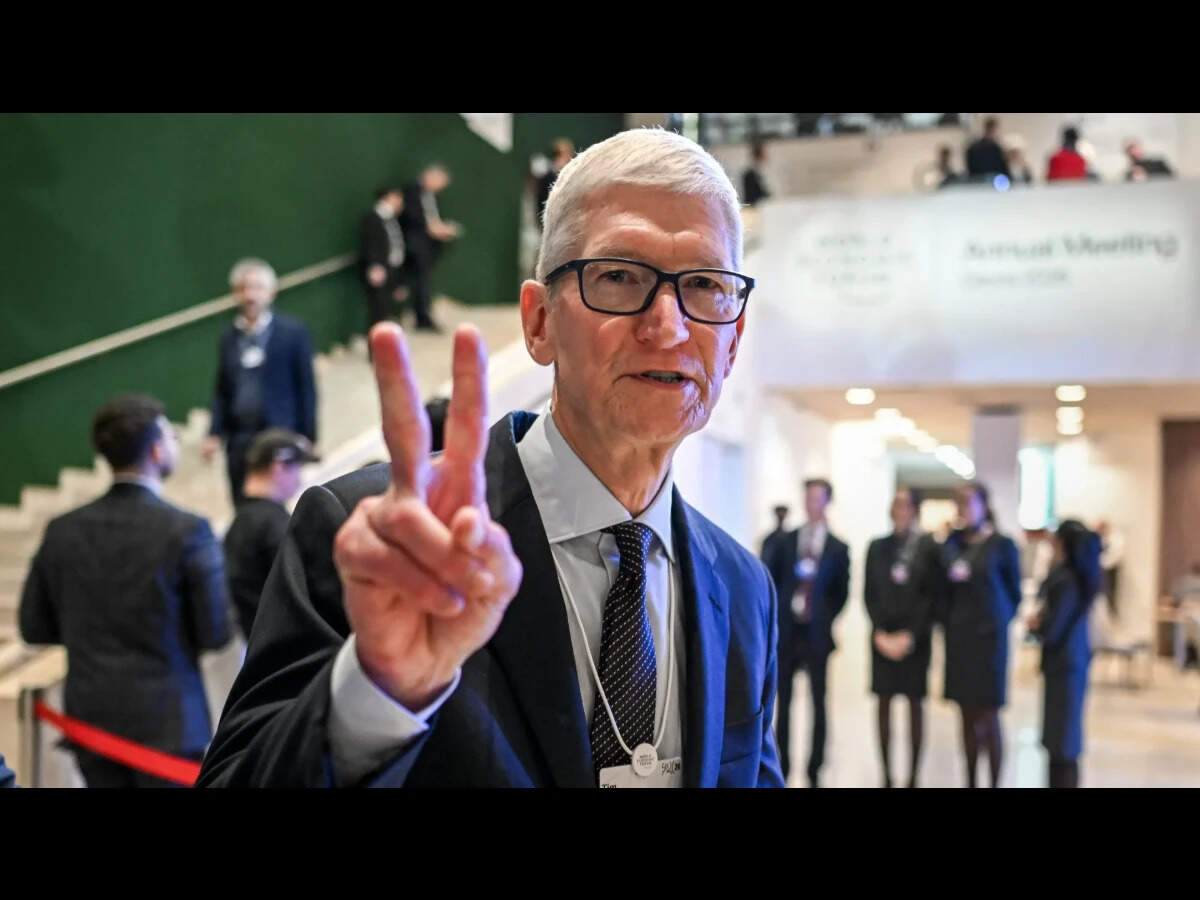
Why Apple still needs Tim Cook after handing the reins to John Ternus
According to Apple’s regulatory filing, Cook will receive a base salary of $2 million, down from the $3 million he earned as CEO along with an annual equity award targeted at $45 million.Apple has undergone a leadership transition, with John Ternus taking charge of the tech giant after nearly 15 years under Tim Cook’s helm.
However, the Cupertino-based company is not fully parting ways with former CEO Tim Cook.
Instead, Cook will take on the role of Executive Chairman, albeit with slightly reduced compensation.According to Apple’s regulatory filing, Cook will receive a base salary of $2 million, down from the $3 million he earned as CEO along with an annual equity award targeted at $45 million.
His entire pay cheque is just $11 million less than the newly appointed CEO.Hence, Cook’s role and compensation structure suggest he will remain an apex authority within Apple, raising questions about what makes his continued association so valuable to the company.Cook’s mastery of scale Tim Cook joined Apple in 1998 as Senior Vice-President for worldwide operations, with the primary mandate of scaling the company–and he delivered on that goal.
The company strengthened its manufacturing and distribution networks, built one of the world’s most sophisticated supply chains, and significantly expanded its presence in China as the country’s middle class grew rapidly.During Cook’s tenure, Apple also expanded beyond its premium niche to reach middle-class households globally.
In subsequent years, a number of new initiatives were launched, which were in sync with the changing consumer preference and needs of the time, putting it ahead of the technology curve among its peers.
For example, in 2014, Apple entered the wearable technology market with the Apple Watch and entered into the fintech space with Apple Pay the same year.
In 2015, Apple Music arrived as the company shifted from the iTunes era towards subscription-based streaming.In 2016, the launch of AirPods created another major growth category for Apple, while the company continued to scale its services business with offerings such as Apple TV+ and Apple Card.Giant of market returnsUnder Tim Cook, Apple has evolved into a far larger company than the one he inherited.
In 2018, Apple became the first publicly traded US company to reach a $1 trillion market capitalisation, doubled it to $2 trillion two years later.
In October 2025, the company surpassed a $4 trillion market valuation and, by July 2026, briefly overtook Nvidia to become the world’s most valuable company by market capitalisation.Cook’s strategic ties with key global markets Apple wields significant global influence, with deep ties to China in terms of employment, capital investment and technology transfer.
Apple began manufacturing its products in China in the late 1990s and early 2000s around the same time Tim Cook joined the company and started making frequent business trips to the country.Beyond China, Apple also moved to expand its manufacturing footprint in India.
During Cook’s famous India visit in 2016, Prime Minister Narendra Modi pushed for local manufacturing of Apple’s products in India.
Apple subsequently asked its manufacturing partners to explore production in India, and by early 2017, Taiwan’s Wistron was preparing a facility in Bengaluru.Cook said Apple is pleased with the progress of iPhone production in India, comparing the country’s opportunity today to where China stood several years ago.
When it comes to current US President Donald Trump, Tim Cook is widely seen as one of his closest allies in the tech industry, especially compared with other executives.“He’s the one that calls me,” Trump told reporters in 2019 when asked why he shared a stronger relationship with Cook than with other tech leaders.In the current geopolitical landscape, technology companies and nation-states are increasingly shaping each other’s trajectories.
Tim Cook has carefully navigated this dynamic, maintaining strong ties with China Apple’s key manufacturing hub and a critical source of supply chain inputs while also deepening engagement with India, long seen as a major consumer market and now emerging as a hub for semiconductors and AI.Thus, Apple’s decision to retain Cook in a pivotal role reflects a broader strategy balancing global diplomacy, supply chain dependencies and market access.
DISCLAIMER: This content is automatically collected from Enterprise AIfor informational purposes.
To read the original article, please click here

IAI AC | IAIAC.IN| Institute of Artificial Intelligence Applications Centre